
Is Grey a Bad Colour for Bedrooms? What You Need to Know
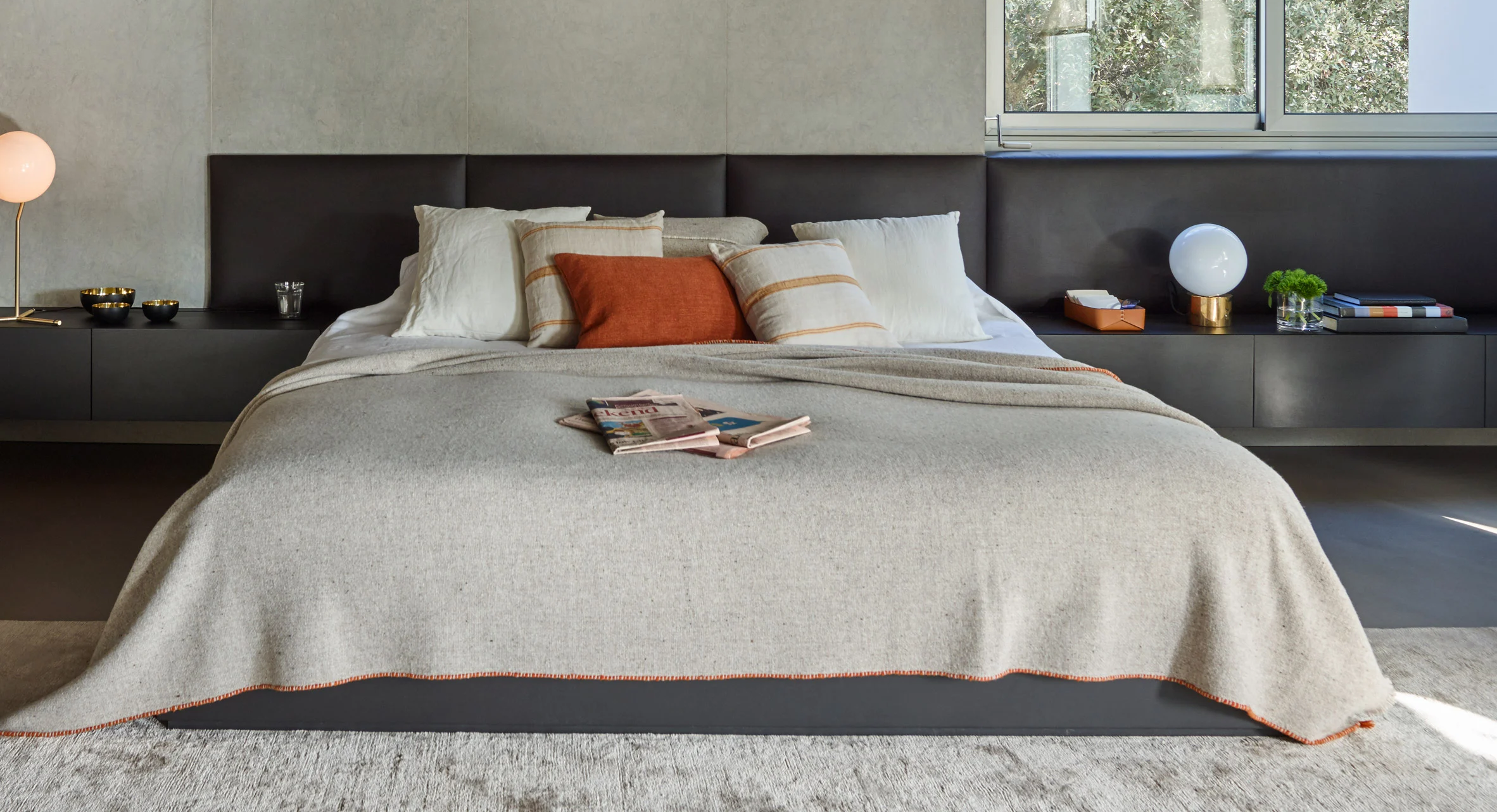
When it comes to designing a bedroom, colour does far more than just set the tone, it shapes how the space feels to live in day in and day out. Grey has become a bit of a default in recent years, loved for its versatility and understated look, but it is worth asking whether it truly creates the kind of atmosphere a bedroom needs. In this post, we will look a little deeper into the psychology of grey, how it can influence mood and energy, and explore some alternative colours that might feel softer, warmer, and ultimately more suited to a space designed for rest.
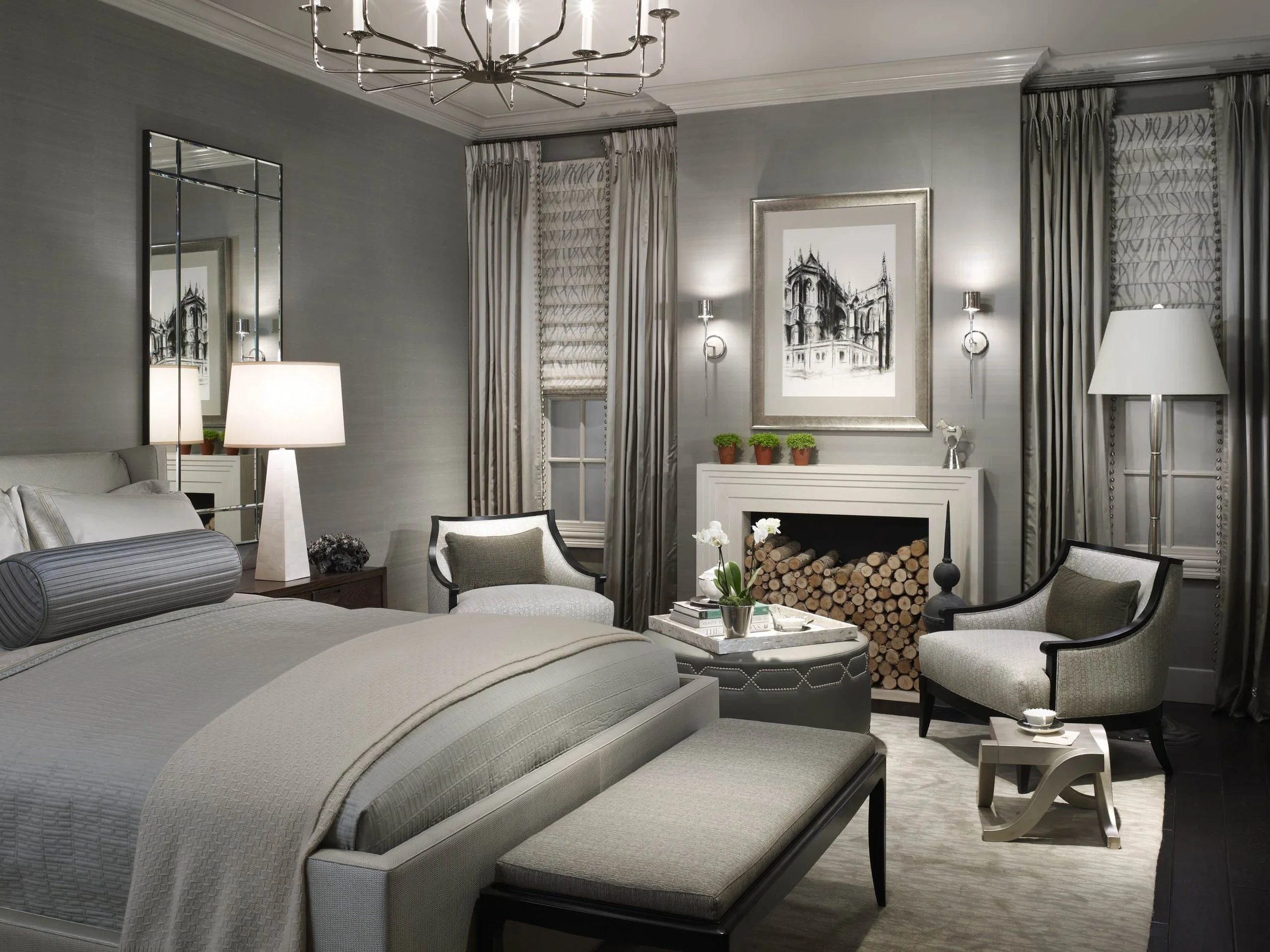
The Psychology of Grey:
Grey is often praised for its neutrality, sophistication, and ability to complement a variety of colours. However, when it comes to bedroom design, the psychological impact of grey becomes a crucial consideration. The colour grey can evoke feelings of detachment and coolness, potentially hindering the creation of a cosy and intimate atmosphere essential for a restful night's sleep.
Connection with Emotions:
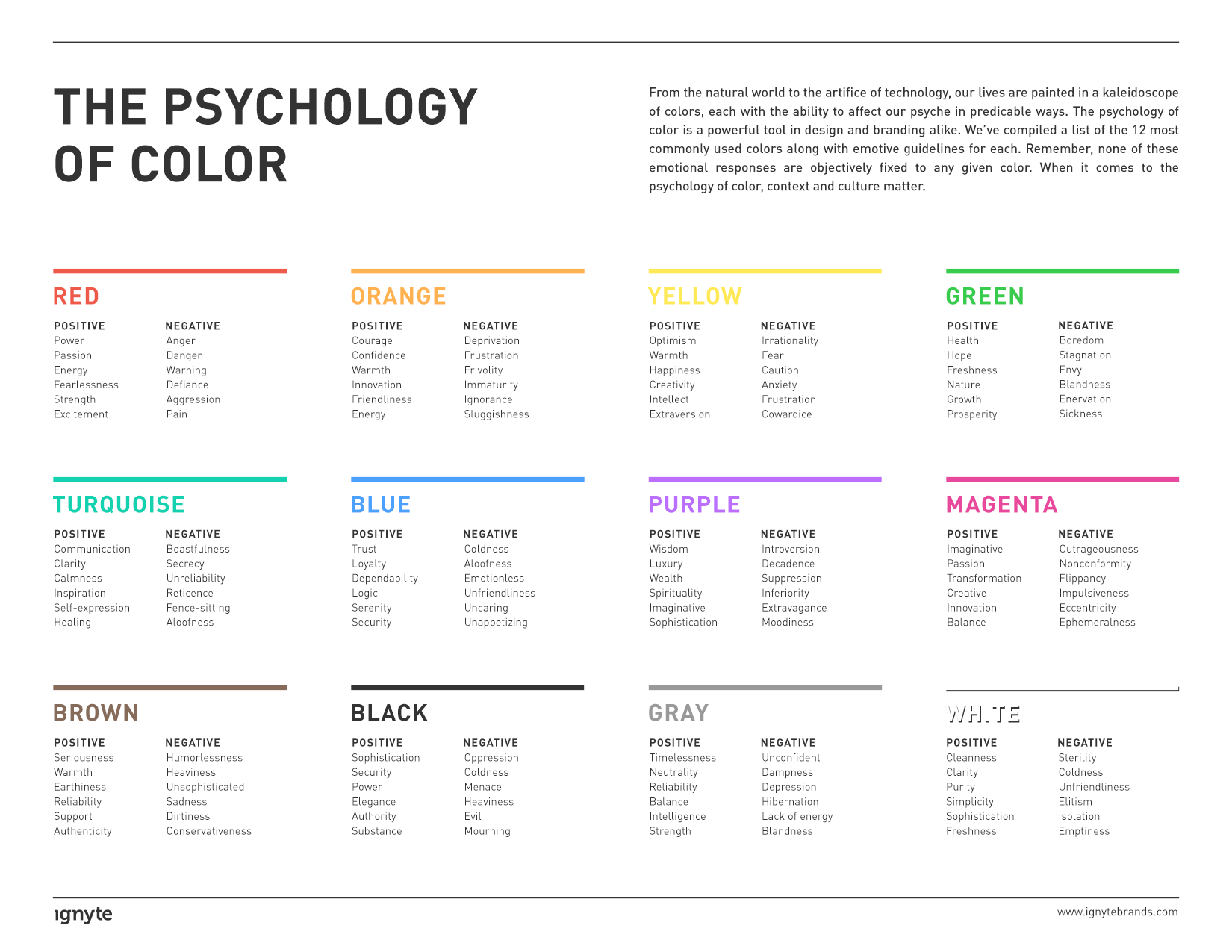
In colour psychology, grey is associated with practicality and conservatism. While these qualities might be suitable for office spaces or living rooms, a bedroom requires a more nurturing and soothing environment. Grey's cool undertones can inadvertently contribute to feelings of isolation and lack of warmth, which may not align with the desired emotional connection in a bedroom.
Alternatives for the Bedroom:
Now that we've explored the potential drawbacks of grey in bedrooms, let's uncover some alternative colour choices that can enhance the tranquillity and comfort of your sleep haven:
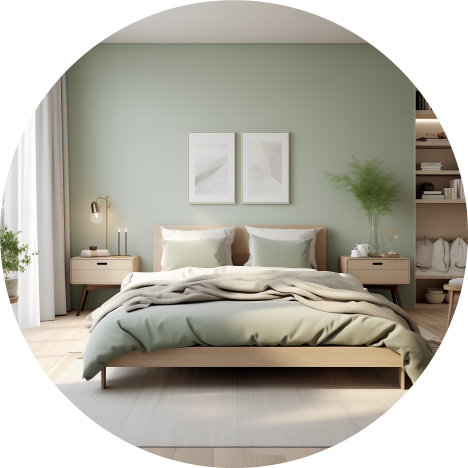
1. Soft Blues and Greens:
Shades like pastel blues or muted greens can create a serene and calming environment. These colours are known for promoting relaxation and tranquillity, fostering a restful atmosphere.
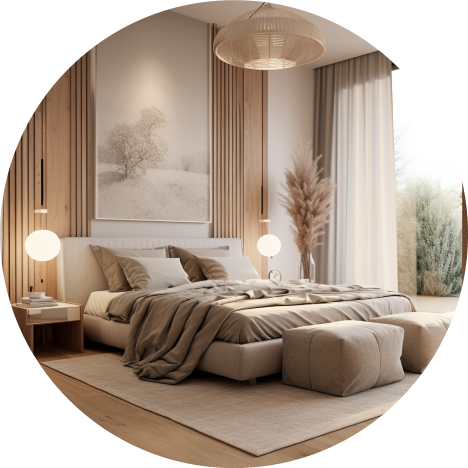
2. Warm Earth Tones:
Embrace warm earthy tones like taupe, beige, or gentle browns. These colours evoke a sense of being grounded and comfort, contributing to a cosy and inviting bedroom space.
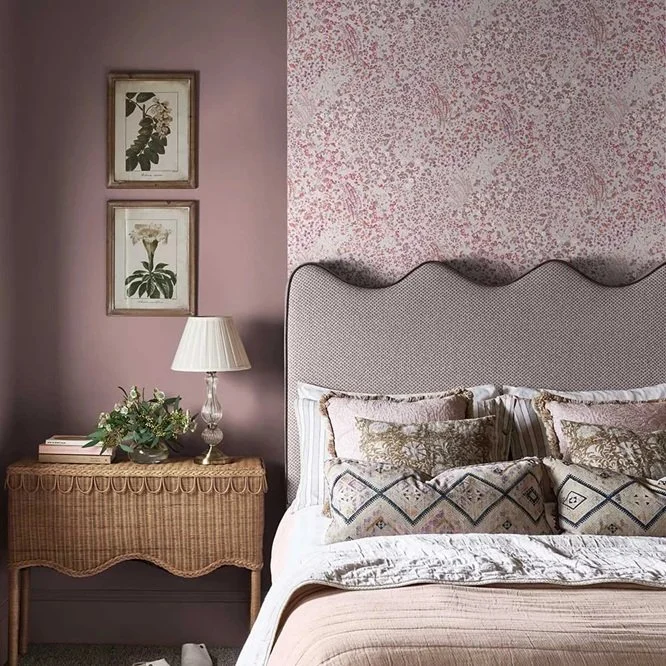
Graham & Brown
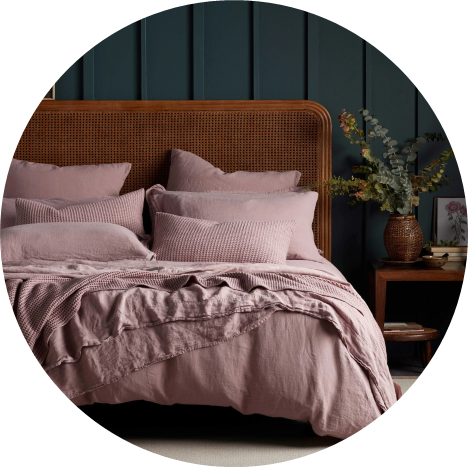
3. Soothing Lavenders:
Soft lavender or lilac hues bring a touch of elegance while maintaining a soothing atmosphere. Lavender is often associated with relaxation and has calming effects on the mind.
Secret Linen Store
4. Subtle Pinks:
Delicate shades of pink can introduce a subtle warmth without overwhelming the space. Blush tones, in particular, create a gentle and comforting vibe.
While grey undeniably has its place in design, understanding its psychological impact is crucial when creating a bedroom oasis. By opting for colours that promote calm, warmth, and emotional connection, you can transform your bedroom into a haven for rest and rejuvenation. However, keep in mind that ultimately, what matters is how a colour makes you feel. If the colour grey helps you feel at ease, then design that way.
If you’d like a hand designing your bedroom, we’d love to help. We offer three carefully considered packages, or you can build your own service, tailoring everything to suit your style, needs and budget. As an affordable online interior design studio, we work with clients worldwide, so wherever you are, we can help bring your space together. Click here to explore our interior design services.
