
Cloud Dancer: How to Use Pantone’s Colour of the Year 2026 in Your Home

Last month Pantone released their colour of the year and it quickly turned into a very controversial colour choice. The colour Pantone has released for their colour of the year is Cloud Dancer. Cloud Dancer is an off-white with an equal blend of warm and cool influences, giving it a neutral, natural white feel rather than leaning too yellow and creamy or too blue and icy.
When this colour of the year was released, I have to be honest, I was disappointed. I couldn’t quite believe it and, judging by most people’s reactions, I wasn’t the only one. As an interior designer, I love using colour. I love encouraging people to use colour in their homes and to step away from playing it safe. Cloud Dancer feels like it goes completely against this, especially at a time when people are finally starting to feel more confident with colour again. We’ve properly moved on from the all-grey trend, and interiors have started to feel warmer, more expressive and more personal. Cloud Dancer, at first glance, feels like we’re taking a step backwards and quietly encouraging all-white homes all over again.
However, when you take a step back and remove the “colour of the year” pressure from it, Cloud Dancer does have its place. It is a neutral, and for those of you who aren’t too daring, it can actually be a very safe and flexible starting point. The problem comes when it’s used everywhere, on everything, with no contrast. So instead of dismissing it completely, let’s look at how this colour can be used properly. Below are three ways to include Cloud Dancer in your home without losing your personality or ending up with a space that feels flat and forgettable.
Pantone
1. Use it as a backdrop, not the main event
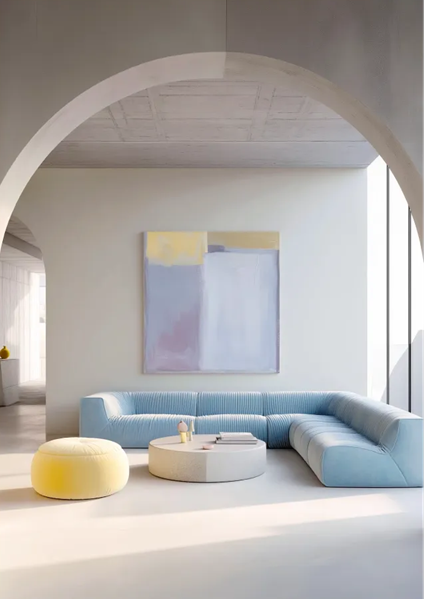
This is where Cloud Dancer works best. As a wall colour, it allows everything else in the room to stand out without competing for attention. Instead of being the feature, it becomes the supporting role, and that’s exactly how it should be treated.
If you think about a gallery space, the walls are usually kept very simple so the artwork can shine. Cloud Dancer works in the same way. It creates a calm background that allows bolder furniture, artwork or architectural details to take centre stage. This is especially useful in homes where you already have colour through sofas, armchairs, books, or even just collections of personal objects.
Where people often go wrong is thinking that if the walls are white, everything else needs to be white too. This is how you end up with rooms that feel cold and lifeless. Cloud Dancer on the walls paired with a deep-toned sofa, patterned cushions, colourful art or even a statement rug instantly feels more intentional and balanced. The neutrality of the walls stops the space from feeling overwhelming while still allowing personality to come through.
It’s also a good option for open-plan spaces, where you want continuity without committing to a strong colour across a large area. Used in this way, Cloud Dancer doesn’t feel boring, it feels practical and considered.
joybird
2. Layer it with texture
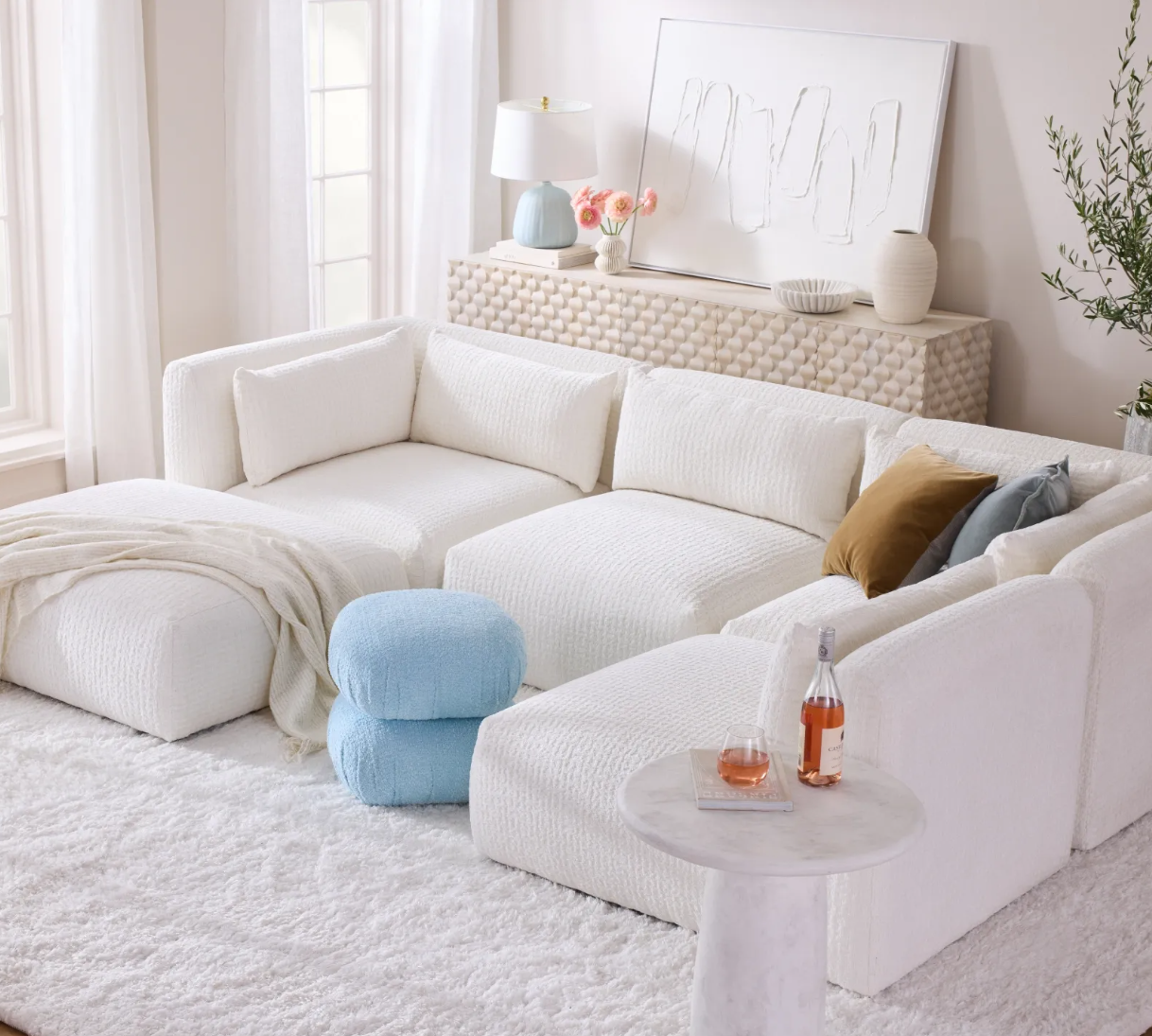
If you’re going to use a lot of Cloud Dancer, texture becomes absolutely essential. An off-white colour like this relies heavily on what’s around it. Without texture, it can very quickly start to feel flat, clinical or unfinished.
This is where materials and finishes really matter. Think about how different surfaces interact with light. Linen curtains, boucle chairs, wool rugs, raw timber furniture, stone or plaster finishes all bring warmth and depth that paint alone can’t provide. Even subtle variations in texture can completely change how a space feels.
For example, a Cloud Dancer living room with a linen sofa, a chunky knit throw, a timber coffee table and a textured rug will feel soft, warm and inviting. The same colour paired with glossy white furniture and smooth surfaces will feel cold and sterile. The paint hasn’t changed, but the atmosphere has.
Texture is also a great way to add interest without adding colour, which is ideal if you’re someone who prefers a calmer palette but still wants a space that feels layered and lived-in. Mixing matte and slightly imperfect finishes works particularly well with Cloud Dancer, as it enhances its natural, neutral quality rather than making it feel stark.

3. Pair it with confident colour choices
Cloud Dancer does not mean no colour. In fact, it can actually make using colour easier. Because it sits so neutrally between warm and cool, it pairs beautifully with a wide range of shades.
Deep greens look especially good against it, whether that’s through painted joinery, sofas or even plants. Soft blues bring a calm, relaxed feel, while warmer tones like terracotta, rust and muted pinks add warmth and depth. Even darker shades like navy, charcoal or aubergine work well, creating contrast without feeling heavy.
This is where you should really let your personality come through. Colour doesn’t have to mean painting every wall bright blue. It can be introduced through furniture, artwork, cushions, lampshades or even just smaller decorative pieces. Cloud Dancer allows these elements to stand out without clashing.
The key is to be confident with your choices. One strong colour used well will always look better than lots of safe, neutral pieces layered together. Cloud Dancer should support colour, not replace it.
So while Cloud Dancer might not have been the bold colour moment many of us were hoping for, it doesn’t have to mean boring interiors. Used correctly, it can be a calm, flexible base that allows colour, texture and personality to shine. The mistake is treating it as the final answer rather than the starting point.
If you enjoyed this post, make sure you sign up to our mailing list to stay up to date with our latest blogs, where we talk through interior trends, share practical design tips and offer plenty of interior inspiration.
If you’re feeling stuck with your own space or need a bit of guidance, take a look at our interior design packages. We offer a range of pre-made packages at a discounted rate, or you can use our build-your-own design service to create something that works around your budget and your needs. If you’re not sure which option is right for you, you can book a discovery call and we’ll talk it through together.
